Precision Machining for Aerospace Engine and Motor Parts
Many aerospace, defense, space, and drone propulsion applications depend on hard, exotic metals that can handle extreme environments. Those materials can be challenging for many suppliers, but at Focused on Machining, our experience gives us the confidence to machine complex, tight-tolerance components from them.
Why Propulsion Components Require the Right Partner
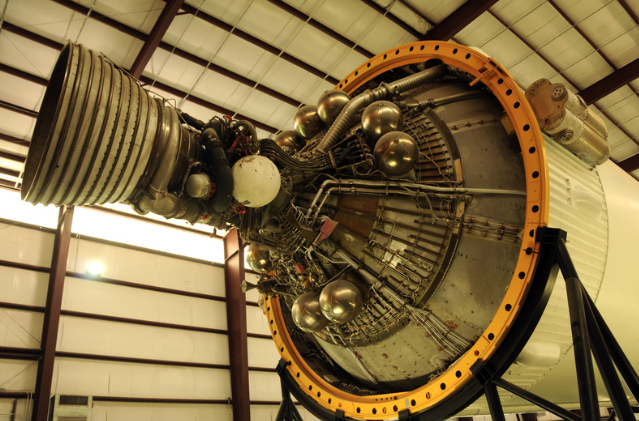
When the application is an engine, a rocket motor, a thruster, or another propulsion component, the requirements are rarely simple. These parts need to withstand very demanding environments and operating conditions, including significant temperature swings and intense forces. In many cases, they’re also tied to programs that have little room for delays.
That combination makes experience extremely important. A shop that has little experience with these materials may underestimate the lead times or machining challenges involved. In this type of work, a missed estimate can create delays of weeks or months as problems build on each other.
Our Experience With Difficult Metals
Many engine and rocket motor components are made from materials such as:
These materials are often selected because they can perform in difficult environments. But those qualities can also make them significantly more challenging in aerospace machining than aluminum or standard stainless steel.
While many machine shops avoid them for that reason, at our AS9100 Rev. D machine shop, we have spent years learning how to manufacture precision components from them consistently. That experience changes the way we approach an RFQ. An Inconel quote does not create uncertainty for us. We understand the tooling, coatings, feeds, speeds, and process planning needed to produce the part while protecting the customer’s schedule.
Accurate Planning for Tooling, Cost, and Lead Time
One of the biggest challenges with exotic materials is that the true cost of the job is not limited to the raw material. Tooling can become a major factor. A tool that lasts for thousands of parts in a more forgiving material may have a much shorter life in Inconel or A286.
Because we understand that up front, we can build realistic tooling expectations into the quote instead of discovering the issue during production. That creates more accurate pricing for the customer and helps prevent surprises after the job begins.
The same experience helps improve lead-time accuracy. For these projects, it is important to have the right tools and equipment ready before production starts. We routinely machine tight tolerances in these materials and can create complex components with 5-axis machining, but the success of the job depends on planning the full process correctly from the beginning.
The Supplier Network for Better Results
Customers also benefit from our extensive and trusted supplier network.
For instance, exotic materials can be harder to source than common metals, and availability can vary significantly from vendor to vendor. But for our projects, we reach out to multiple trusted suppliers to compare pricing and lead times. In some cases, the first vendor may need to source it from a mill, but we’ll be able to find another supplier that has the material on the shelf because of our connections.
That visibility helps us make the right decisions for customers when we’re managing their material sourcing or post-processing. If speed matters, we can identify the path that supports the schedule. If cost is the priority, we can help evaluate the best available option.
Choosing the Right Machine Shop for Engine Parts
The truth is that, for OEMs and defense suppliers, the most important factor in choosing a supplier should be experience. A shop with real experience in exotic metals will quote more accurately and deliver more reliably.