

BLOG

Understanding Lead Times: The Factors Customers Can Help Control
At Focused on Machining, customers sometimes approach us with tight timelines, and they’re looking to find out how quickly a project can move forward. We do everything we can to support aggressive schedules, but between our own capacity and outside processes, lead times can depend on a variety of changing factors.
That’s why reducing lead times starts with understanding what the machine shop can directly control, what depends on outside factors, and what customers can do to help prevent delays. When all sides understand these factors, projects can move faster.
What the Manufacturer Directly Controls
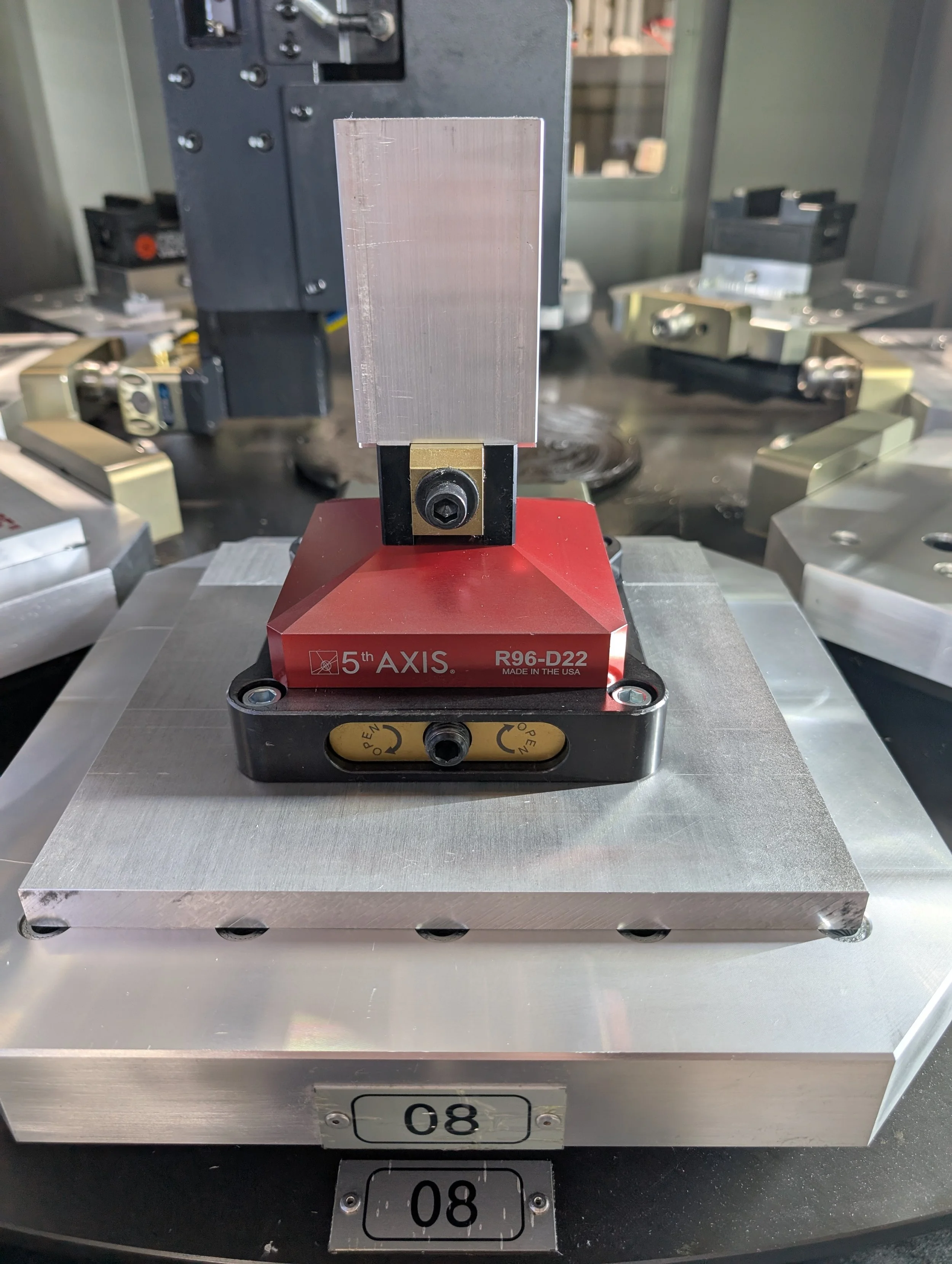
The steps we control most directly are the ones that happen under our own roof. These include precision machining, inspection, hardware installation, and other in-house operations required to complete the part.
Because these processes are part of our daily workflow, we can plan for them carefully and adjust schedules when needed. Our ERP system plays an important role in that process by tracking jobs in detail and planning capacity. We can make the best use of the time and resources available to us.
Material acquisition is another area where we usually have a strong degree of control. In many cases, standard materials are readily available, and proper planning on our end allows us to source them quickly. There are exceptions, of course. Specialty materials or short supply conditions can affect timing. But under normal conditions, material procurement is typically a manageable part of the schedule.
Where Customer Requirements Can Slow Down Projects
From a customer perspective, it can be most helpful to focus on factors you control that can influence lead time. Two factors we’ve recently seen have been approved supplier lists and source inspections.
Approved Supplier Lists
Approved supplier lists can be a major factor because they limit the options available for materials, inspection, and outside processing. For example, one customer recently needed a material that was ultrasonically inspected. The material we procured had already been ultrasonically inspected from a mill, but that mill was not on the customer’s approved supplier list, so it had to be reinspected before production began.
Approved suppliers can also delay finishing or post-processing. If a project requires a specific approved supplier rather than any qualified supplier that meets the right standard, that vendor’s capacity and location can add to lead time.
When possible, we try to help primes expand their approved supplier lists to prevent issues like these from affecting their schedules.
Source Inspections
Source inspection can also add time at the end of a project. Even after parts are machined and inspected, some customers require us to submit a data package and wait for their source inspector to review or release the shipment. If the inspector has several days to respond, that step can add nearly a week once paperwork, review, packaging, and shipment are all considered.
The Best Way to Save Time: “Overprovide” Details at the Start
The fastest way to save time on a project is to provide as many details as possible about your project when you’re first submitting your quote. Print, model, and quantity are an essential start, but more information can help us quote more quickly and plan accurately from the start.
For example, even if you tell us you need 200 parts, we need to know what that will entail. Is that an urgent one-time delivery, or a three-year quantity that might be better suited to contract manufacturing services? A production schedule allows us to understand whether the project fits our capacity, and it also helps us determine if we can find creative ways to support your requirements.
Other factors that can provide helpful context:
Are these parts currently being made by an existing supplier?
Is there a first article inspection requirement before production can begin?
Is the part coming to us after another process, such as 3D printing, casting, or outside fabrication?
Have you already learned something from previous production runs that we should know?
These allow us to understand your priorities. But without you offering them upfront, a project that could move quickly may require several follow-up conversations before we know how to proceed.
Where Outside Processes Affect Your Timeline
Some project steps fall somewhere in the middle. Outside processes such as plating, coating, heat treating, passivation, painting, or other finishing services, for instance, do not fall directly under our control.
Many projects are sent to outside vendors we choose from our trusted network, and we understand that their performance reflects on us. Even so, we cannot fully control another company’s internal schedule. If a finishing vendor is already at capacity, that can extend the overall lead time, even if the machining itself is completed quickly.
In some cases, expediting an outside process may help. However, we are cautious about recommending expedites for certain operations, especially complex plating or finishing work that requires masking. Rushing those steps can increase the risk of errors. If a part has to be reworked, the project may lose more time than the expedite would have saved.
Share Your Project Information Today
We always want to help customers move as fast as they need to, and complete information allows us to support your project in the best way possible. The more information you provide at the RFQ stage, the faster we can determine the best path forward.
Request a quote today to get your next project started!