
BLOG
How Material Choice Affects Machining Time and Part Cost
At Focused on Machining, we work with a wide range of materials, from aluminum to Inconel to A286. But one thing we always make clear to customers is that these materials differ not only in their performance, but also in their machinability. Material choice can directly impact factors like cycle time and tooling, ultimately driving part cost.
Learn how the machining process changes, and why that leads to higher prices.
Why Material Choice Affects Machining Time
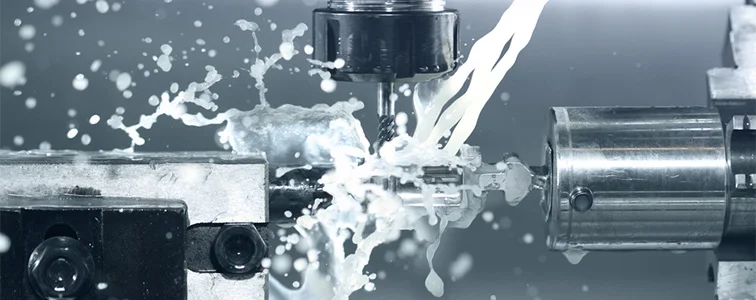
On the machinability spectrum, aluminum is relatively easy to cut, while Inconel machining is much more demanding. Aluminum allows for aggressive machining, but Inconel does not.
This is reflected in quotes, as machine shop pricing is closely tied to time. Longer machining time means higher cost. At Focused on Machining, price is heavily tied to production hours and shop rate. But other material factors do add to price, as well; for instance, materials like Inconel are significantly more expensive, while specialized tools may be needed because tool wear can be more severe.
Comparing Aluminum and Inconel on the Same Part
We have never machined the exact same part in both aluminum and Inconel, so a perfect one-to-one comparison is difficult. But a hypothetical example still helps illustrate the difference.
For this hypothetical, we considered machining a part that is 4” x 4” x 1” with a 0.5” end mill to rough it.
With aluminum, especially 6000 series aluminum, we can typically use tooling designed for high material removal rates. For a hypothetical part, that might mean a half-inch three-flute tool taking deep cuts at high RPMs and aggressive stepovers. Because aluminum is comparatively soft and easy to machine, we can remove material quickly and efficiently.
Inconel requires a much different approach. For the same part made of Inconel, we would likely use a five-flute or seven-flute tool with much more conservative cutting parameters. The depth of cut would be shallower and RPMs would be reduced. Additionally, heat control becomes critical with Inconel because of the potential for work hardening.
Quantifying the Difference: A 17x Change
In qualitative terms, aluminum lets you cut fast, while Inconel forces you to slow down. But quantitatively, a simple back-of-the-envelope calculation suggests that machining the part from Inconel 718 would take roughly 17 times longer than machining the same part in 6061 aluminum.
That’s just an estimate, but it certainly aligns with our general experience. A very simple part like this that might take minutes in aluminum could take close to an hour in Inconel. And that difference becomes especially important in our production machining services, when the gap multiplies significantly across hundreds or thousands of pieces.
Experience Is Critical With Difficult Materials
When a project involves Inconel, A286, or other difficult materials, experience matters. An expert shop understands how to move as fast as possible without risking scrap and rework.
At our precision machine shop, we have years of experience machining challenging materials. We understand the risks, and we know the best techniques to be as efficient as possible for our customers.
If you’re looking for Inconel, A286, or titanium machining, let’s discuss the best approach for your project. Contact us today!

Material Spotlight: Mastering 2000 Series Aluminum at Our Colorado Machine Shop
At Focused on Machining, we’ve machined countless materials over the years, but aluminum is at the core of what we do. The majority of our projects are aluminum parts, and our team has developed unmatched expertise in machining this metal. That knowledge translates to faster lead times and more competitive pricing for our customers.
One material we’ve been seeing more frequently is 2000 series aluminum. Learn more about this alloy family and why our experience gives us an edge.
Understanding the Basics of 2000 Series Aluminum
2000 series aluminum alloys are primarily alloyed with copper, which allows them to be precipitation hardened to achieve very high strength levels. That copper content, however, also makes them more susceptible to corrosion compared to some other aluminum series.
Because of their strength-to-weight ratio, these alloys have been widely employed in aerospace machining for decades. Aircraft components and structural parts often rely on 2000 series, and we’ve manufactured parts like flanges and components for cryogenic systems. While some aerospace manufacturers prefer options like 7000 series aluminum, 2000 series remains a popular choice in the industry.
Aluminum Expertise Comes From Experience
We have tackled many projects with 2000 series aluminum, especially grades 2024 and 2219. Because of our experience providing both aluminum and copper machining services, these projects are a natural fit for our shop.
Our team has found that machining speeds for these materials fall between soft alloys like 6000 series aluminum and pure copper. Through extensive testing and process refinement, we’ve found the sweet spot where we maximize speed without ever compromising accuracy or risking costly scrap.
Why Choose FOM for 2000 Series Aluminum Projects
By partnering with Focused on Machining for your 2000 series aluminum parts, you benefit from the full capabilities of a trusted manufacturing partner:
Short lead times: Not only are we well versed in the best speeds and feeds for 2000 series aluminum, our team’s all-around efficiency leads to better setups and tool paths for fast turnaround.
Competitive pricing: Our experience allows us to run parts smarter, keeping your costs under control.
Lights-out efficiency: Our advanced automation and unattended machining let us run production 24/7 to maximize throughput, a critical feature of our contract manufacturing services.
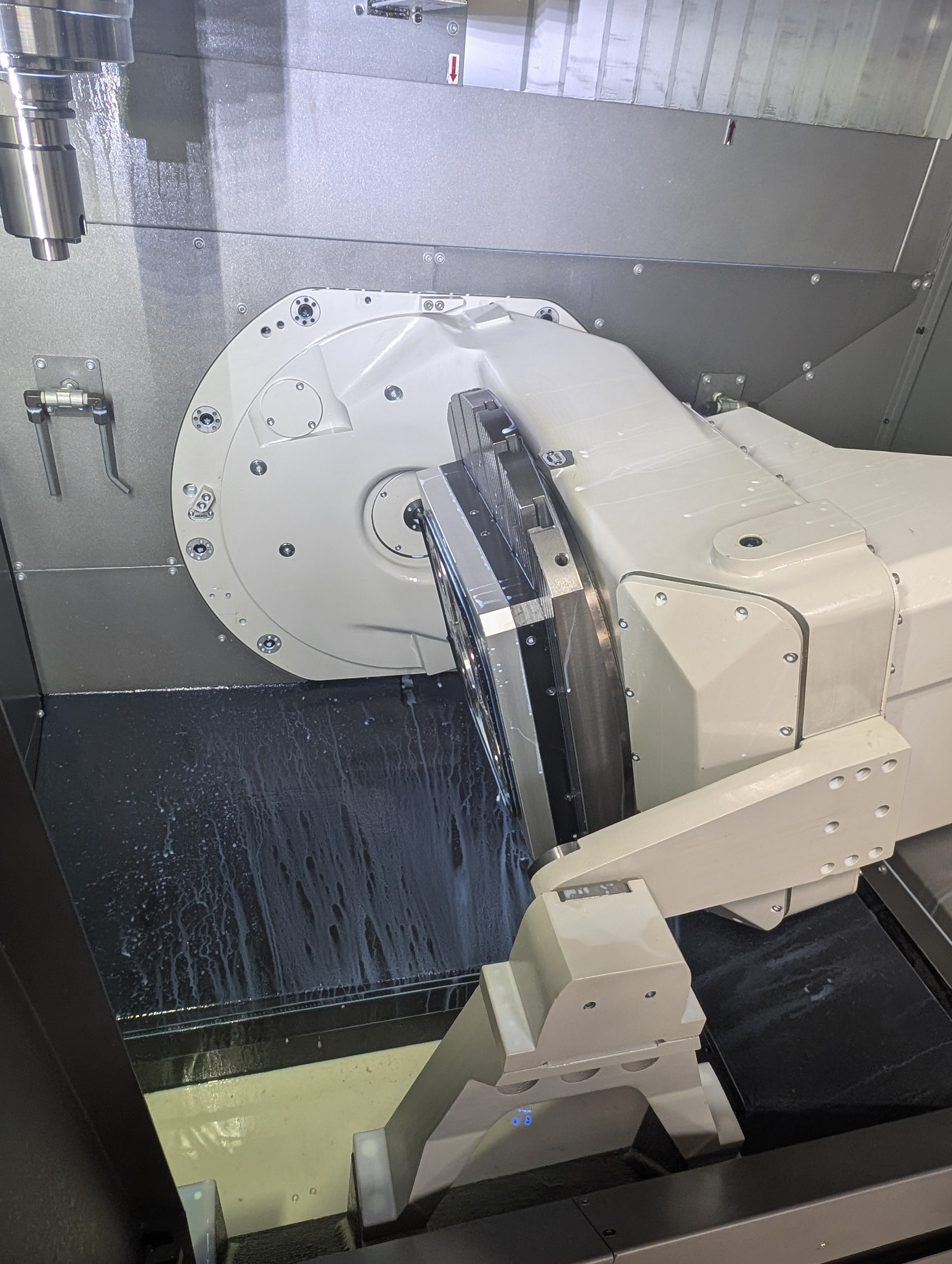
Complex parts and 5-axis machining: Our team can handle even the toughest designs in 2000 series aluminum parts like intricate aerospace components.
Trusted network of finishing vendors: 2000 series aluminum is less corrosion resistant than some other aluminum alloys, but our network of trusted vendors can provide treatments like chem film and anodizing to help protect your parts.
Let Us Handle Your Next Aluminum Project
If you need a reliable partner for your next aluminum project, try us out! We combine advanced equipment and a proven track record in aluminum parts for a wide variety of customers. Whether you’re in aerospace, defense, or another demanding industry, we can deliver the results you need.
Request a quote today and see why our customers trust us with their aluminum machining needs!